
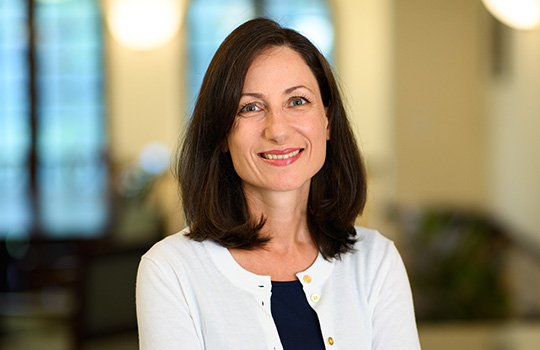
I am a political scientist at Princeton, where I hold the IBM Chair of International Studies and teach in the Department of Politics and the School of Public and International Affairs. I teach undergraduate and graduate courses on a variety of topics, most recently on political extremism and research design.
Most of my research begins from one question: when do social and economic divides turn into political conflict, and when do they not? That question has taken me to immigration and the backlash against it, the radical right, political extremism, hate crime, minority representation, and housing shortages and gentrification.
The papers page includes links to the articles and chapters I have written on these topics.
I have also written three books. The most recent is a short one titled Downplaying Extremism? How the State Approaches Right-Wing and Left-Wing Extremist Threats (available open access), with Jeyhun Alizade and Jonathan Homola. It asks whether the state has blind spots when it comes to domestic extremism, and finds that it does: in Germany, parties, intelligence agencies, and the police all pay less attention to extremism on their own side of the political spectrum than its prevalence warrants.
I also wrote Immigration and Conflict in Europe, on why some immigration destinations see conflict — between immigrants and their neighbors, or between immigrants and the state — while others do not, and Dilemmas of Inclusion: Muslims in European Politics, on when European parties include Muslim candidates, what happens once Muslim and other minority candidates and voters gain a foothold in electoral politics, and what that inclusion does to parties, coalitions, and progressive causes like gender equality.
I direct two centers at Princeton. The Mamdouha S. Bobst Center for Peace and Justice supports comparative politics research across countries. Its programs range from Identities and Institutions and Inequality to workshops on Arab political development and post-communist politics, alongside a collaborative initiative with the American University of Beirut and a speaker series that is open to the public. Additionally, the Center funds research and internship grants for students and supports faculty research and conferences.
I am also the director of the Initiatives on Contemporary European Affairs (ICEA). We host visiting scholars and postdoctoral fellows and support short-term stays of graduate students;, promote a regular series of events with academics, journalists, and policymakers; and build ties with universities and research institutes across Europe.